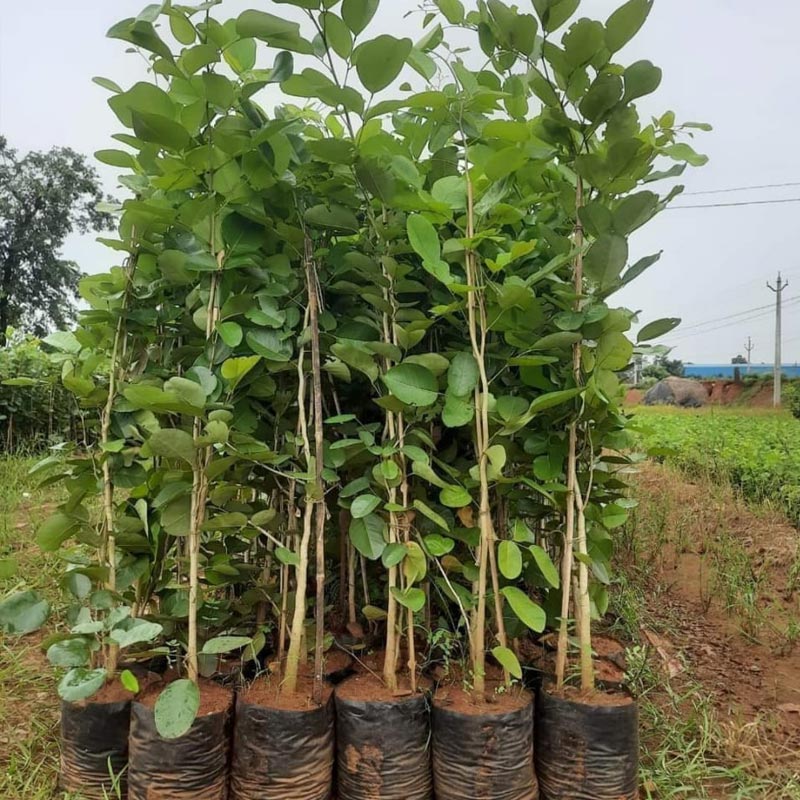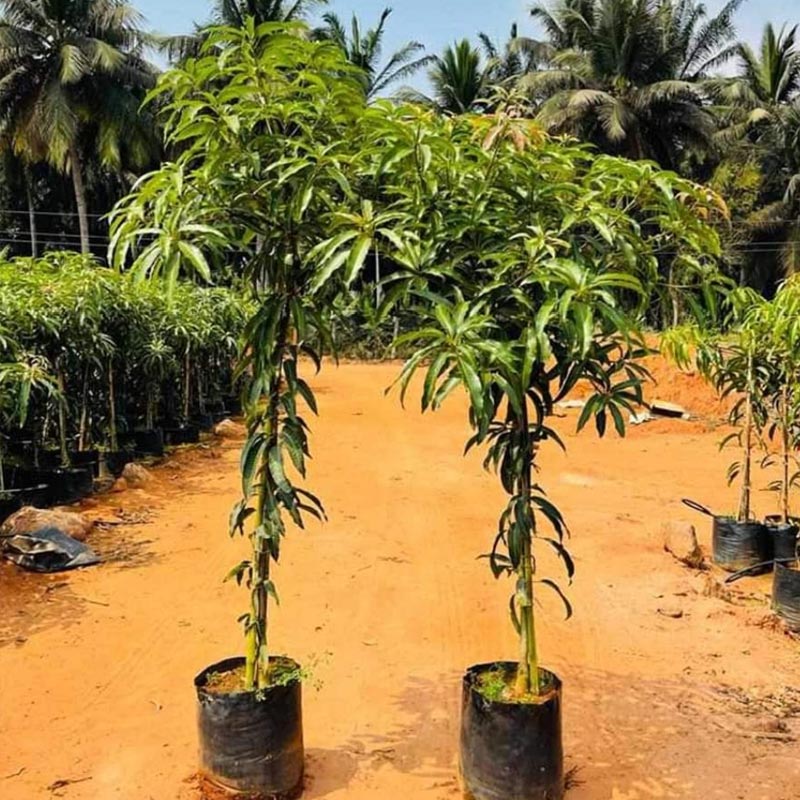

Planting trees on Janmashtami is a meaningful way to celebrate the festival while promoting environmental conservation. Trees symbolize life, growth, and sustainability, reflecting the essence of Janmashtami.
By planting trees, we honor Lord Krishna’s connection with nature and contribute to a greener future. Trees provide us with oxygen, purify the air, conserve water, and support biodiversity. It is a step towards mitigating climate change and preserving the planet for future generations.
Planting trees on Janmashtami embodies reverence for nature and serves as a reminder of our responsibility to protect and nurture the Earth.
Scope:
- Enhancement of Biodiversity
- Increase in Green Cover
- Reduction of Man-Animal Conflict
- Generation of Rural Employment
- Improvement of Wildlife Habitats
Tree Species:
The species of trees that are planted depend on the project, and they are chosen based on their native habitat in the corresponding ecological zone.
Why trees?
Certainly! Here are five key points explaining why planting trees on Janmashtami is important:
- Honoring Lord Krishna: Janmashtami is the birth anniversary of Lord Krishna, who is associated with nature and its preservation. Planting trees on this auspicious day is a way to pay homage to Lord Krishna and his deep connection with the environment.
- Environmental Conservation: Trees play a vital role in maintaining a healthy ecosystem. By planting trees on Janmashtami, we contribute to environmental conservation efforts, such as reducing air pollution, mitigating climate change, and preserving biodiversity.
- Air Purification: Trees absorb carbon dioxide and release oxygen through photosynthesis. By planting trees, we improve air quality, purify the atmosphere, and create a cleaner and healthier environment for all living beings.
- Water Conservation: Trees play a crucial role in water conservation. Their roots help prevent soil erosion and improve water infiltration, reducing the risks of floods and protecting water resources. Planting trees on Janmashtami supports sustainable water management practices.
- Future Sustainability: Planting trees on Janmashtami is an investment in the future. Trees take time to grow, but once mature, they provide numerous benefits, including shade, habitat for wildlife, and improved quality of life for future generations. By planting trees now, we contribute to a sustainable and greener future.
In summary, planting trees on Janmashtami allows us to honor Lord Krishna, contribute to environmental conservation, improve air and water quality, and ensure a sustainable future. It is a meaningful and impactful way to celebrate the festival while making a positive difference to the environment and society
Social Impact:
Planting trees on Janmashtami not only has environmental benefits but also creates a significant social impact. Here are some key points highlighting the social impact of planting trees on Janmashtami:
- Community Engagement: Tree planting on Janmashtami brings communities together. It provides an opportunity for people to unite and work towards a common goal of environmental conservation. By involving the community in tree planting initiatives, social bonds are strengthened, and a sense of collective responsibility is fostered.
- Education and Awareness: Planting trees on Janmashtami can be a platform for raising awareness about the importance of environmental conservation. It offers an opportunity to educate individuals, especially the younger generation, about the value of trees, the need to protect nature, and the impact of human actions on the environment. This promotes environmental consciousness and empowers individuals to take action.
- Health and Well-being: Trees have a positive impact on human health and well-being. By planting trees, we create green spaces that provide shade, improve air quality, and reduce urban heat islands. Access to green areas encourages physical activity, relaxation, and overall well-being, contributing to healthier communities.
- Economic Opportunities: Tree planting initiatives on Janmashtami can lead to economic opportunities for local communities. As trees grow, they create employment opportunities in areas such as forestry, landscaping, and tree care services. Sustainable practices like agroforestry and fruit tree planting can also provide economic benefits through the production of food, timber, or medicinal plants.
- Sense of Pride and Ownership: Planting trees instills a sense of pride and ownership within communities. Individuals who actively participate in tree planting feel a connection to the planted trees and take responsibility for their care and growth. This sense of ownership fosters a sense of pride in the community’s environmental efforts and motivates further engagement in environmental initiatives.
- Climate Resilience: Planting trees helps build climate-resilient communities. Trees act as natural carbon sinks, mitigating the impacts of climate change. By creating green spaces and increasing the tree canopy, communities can adapt to changing climate conditions, reduce the risk of natural disasters, and enhance overall resilience.
In conclusion, planting trees on Janmashtami brings communities together, raises environmental awareness, improves health and well-being, creates economic opportunities, fosters a sense of pride and ownership, and contributes to climate resilience. It has a profound social impact, inspiring individuals and communities to actively participate in environmental conservation efforts and work towards a sustainable and prosperous future.